Breach of contract by a Dutch company: what can you do?

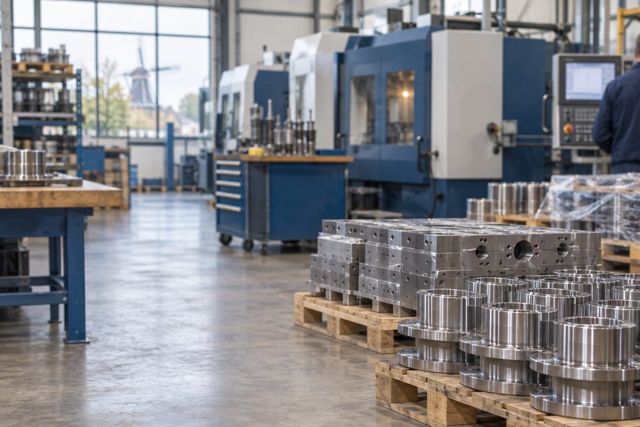
You made an agreement with a company in the Netherlands, and you kept your side of the deal. They did not. The supplier does not deliver, or delivers poor work. The contractor leaves the job unfinished. The client ignores the contract. You are suffering losses, and the other party refuses to pay for them.

This page explains what breach of contract means under Dutch law, what you can do yourself, and how you can take action without bearing the costs of litigation.

Get your case assessed at no cost

What counts as breach of contract under Dutch law?

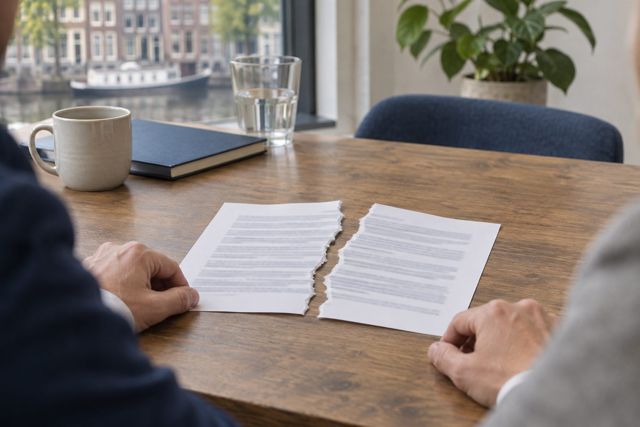
Under Dutch law, a breach of contract (in Dutch: wanprestatie) means that a party fails to perform an agreement, performs too late or performs badly. Examples:

  • a supplier does not deliver, delivers late or delivers something other than agreed;
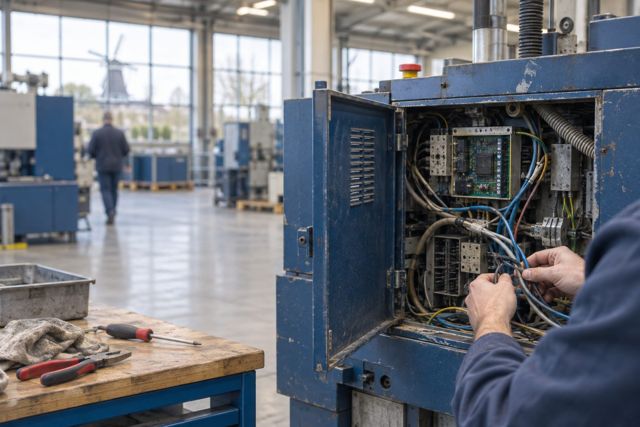
  • a contractor delivers defective work or does not finish the job;
  • a service provider performs an assignment badly;
  • a buyer or client refuses to accept the agreed performance or does not pay;
  • a party breaks an exclusivity or confidentiality agreement.

What can you claim?

If the other party is in breach, you generally have these options:

  • Performance: you demand that the other party still does what was agreed.
  • Damages: you claim compensation for the losses caused by the breach, such as extra costs, delay or lost profit.
  • Termination: you dissolve the agreement. What has already been delivered and paid is reversed. This is only possible if the breach is serious enough.

You can often combine performance or termination with a claim for damages.

What can you do yourself?

  1. Collect your documents. The contract, quotes, terms and conditions, emails, photos, invoices and proof of payment.
  2. Contact the other party first. Ask what is going on and try to find a solution together. Confirm any arrangements in writing.
  3. Send a formal notice of default. Under Dutch law, this is usually required. In a letter or email, give the other party a final, reasonable deadline to perform. Send it by registered mail if you need proof of receipt. Only after that deadline has passed is the other party formally in default, and can you terminate or claim damages. Sometimes a notice is not needed, for example if performance is no longer possible or the other party has already said it will not perform.
  4. Calculate your losses. What has the breach cost you? Keep invoices for repairs and quotes from other parties.
  5. Do not wait too long. A claim can become time-barred. If in doubt, have your case assessed quickly.

Why it often gets stuck

Does the other party not respond, or does it dispute everything? Then court proceedings are often the only option left. If the claim is more than € 25,000, the case is heard by the district court in the Netherlands and you must be represented by a Dutch lawyer.

That usually means:

  • an advance payment and hourly invoices from the lawyer;
  • court fees;
  • sometimes the costs of experts, for example in a construction dispute;
  • proceedings in Dutch that can take months to years;
  • and if you lose, part of the other side’s legal costs as well.

Dutch lawyers are not allowed to work on a no win no fee basis. For a foreign party, there is the added hurdle of an unfamiliar legal system and language. Many people and companies with a strong case therefore let it go. The other party often knows that too.
How BMS solves this

BMS Litigation Funding is an independent litigation funder based in the Netherlands. We take over your claim and litigate at our own expense and risk.

  1. You tell us about your case. By email or phone, in English. A short description is enough to start.
  2. We assess your case, at no cost. If your case is not a fit, you will usually hear within 24 to 48 hours. If we see potential, we will in principle discuss the next steps within one week.
  3. BMS takes over your claim. This is done through an assignment agreement (in Dutch: cessie). BMS becomes the party in the case and pays the lawyers, the court fees, the bailiff and any experts. You do not need to travel to the Netherlands for it.
  4. You receive your share. BMS is only paid once money comes in. First, the external costs advanced by BMS, such as lawyers, court fees, the bailiff and experts, are deducted. Of the remainder, BMS receives 30 to 50%, depending on the case. The rest is yours. If the case does not result in payment, you pay nothing.

The amounts and percentages on this page are guidelines only. No rights can be derived from them. The terms are set out per case in the agreement, which we draw up with you after we have accepted your case.

Does your case qualify?

  • The other party has clearly failed to perform and you can show this.
  • The other party is able to pay, for example a healthy company or a party with liability insurance.
  • Your losses or claim are at least € 25,000. Is your claim smaller? Then we will not take on the case. For smaller claims, a lawyer is not mandatory in the Netherlands, and you can often proceed yourself or through a debt collection agency. Sometimes we will give you a tip on the best route, at no cost.

Are proceedings already running and becoming too expensive? You can submit your case then too.

Frequently asked questions

Do I always have to send a notice of default first?

Usually, yes. It gives the other party a final chance. Sometimes it is not needed, for example if performance is no longer possible. If in doubt, send one anyway.

Can I simply terminate the agreement?

Only if the breach is serious enough. For a minor defect, termination may be unreasonable. You can then still demand repair or compensation.

What losses can I claim?

For example the cost of having the work redone by someone else, losses due to delay, lost revenue or profit, and reasonable costs of limiting the damage. You do need to substantiate your losses.

My contract is with a Dutch company, but I am based abroad. Can BMS help?

Yes. Many of the cases we assess involve a foreign party and a Dutch company. You can contact us and send your documents in English.

Do I need to speak Dutch or come to the Netherlands?

No. Dutch proceedings are conducted in Dutch; BMS and its lawyers take care of that. Because BMS takes over the claim, BMS is the party. We may ask you for information or a witness statement.

What does it cost me if BMS takes over my case?

Nothing upfront. BMS only receives a share of the proceeds if money comes in.

Is the assessment at no cost?

Yes. The assessment is at no cost and without obligation.

Submit your case

Email us a few lines in English:

  • which agreement was breached;
  • who the other party is, and where in the Netherlands they are based;
  • how large your losses or claim are;
  • which documents you have (copies).

You will usually hear from us within 48 hours.

BMS Litigation Funding is the English trade name of BMS Procesfinanciering B.V., Loerbeek, the Netherlands (Chamber of Commerce no. 70610800).

Get your case assessed at no cost