Which route applies to your losses?
Broadly, there are four situations under Dutch law. Each has its own rules.
1. The municipality acted carelessly
For example, poor road maintenance, or incorrect information that caused you losses. You then hold the municipality liable. You must show that the municipality failed to act, or acted wrongly, and that your losses are the direct result.
2. The municipality took an unlawful decision
For example, a permit that was wrongly refused or withdrawn, causing you to lose revenue or investments. If the decision is annulled or found unlawful, you can claim damages. Up to € 25,000, you can go to the administrative court. For higher amounts, the civil court has jurisdiction.
3. The municipality breached an agreement
For example, a contract for services, a land transaction or a cooperation agreement. The same rules then apply as with any other contracting party.
Breach of contract in the Netherlands
4. The municipality acted lawfully, but you are disproportionately affected
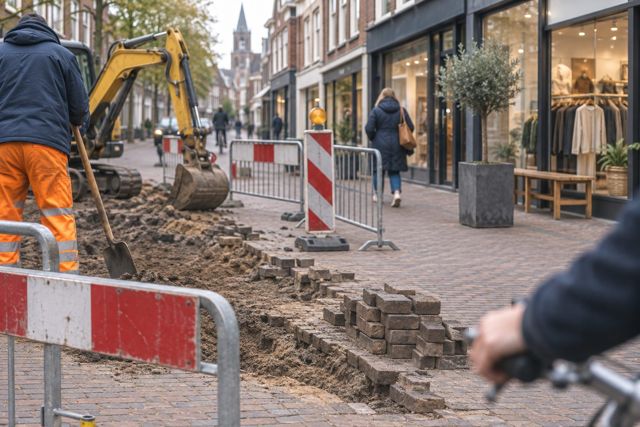
For example, by long-running road works or a new zoning plan. There is no fault, but there may be a right to compensation (in Dutch: nadeelcompensatie). You apply to the municipality itself. A threshold often applies, and the losses must exceed normal social or business risk.