Construction dispute in the Netherlands: defective work, and nobody fixing it

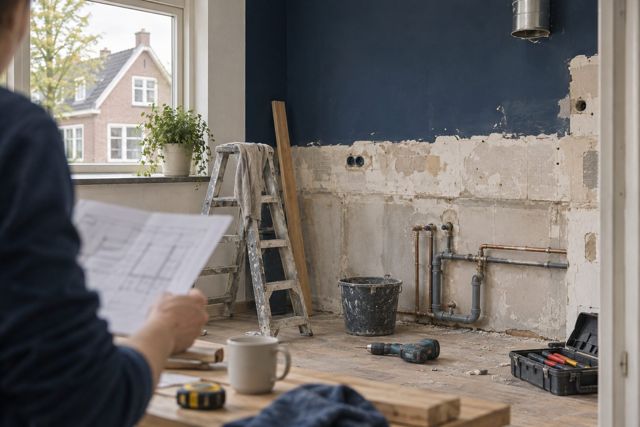
Your home, commercial building or project in the Netherlands has been built or renovated, but the result is not right. Water leaks in, the floor cracks, the installation does not work, or the job was never finished. The contractor promises repairs and does not show up, or denies that anything is wrong. Meanwhile, the costs keep rising.
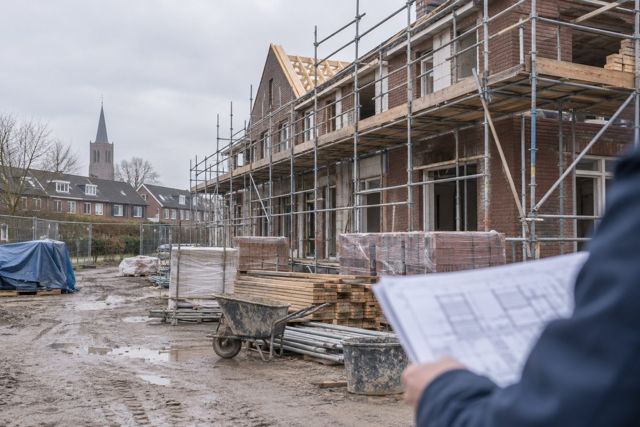
This page explains what you can claim under Dutch law, what you can do yourself, and how you can take action without bearing the costs of litigation.

Get your case assessed at no cost

Common construction disputes

  • defects that appear after completion, such as leaks, damp, cracks or subsidence;
  • work not carried out according to the agreement, the drawings or the building regulations;
  • a contractor who does not finish the job or runs far over the agreed deadline;
  • extra work charged without having been agreed;
  • damage to your property or to that of your neighbours caused by the works.

What can you claim?

A contractor who delivers defective work is in breach of contract. As a rule, you can demand that the defect is repaired. If the contractor refuses, or does not repair it properly, you can claim damages, for example the cost of repairs by another contractor, losses due to delay or lost rental income.

Since 1 January 2024, clients are in a stronger position under Dutch law. For the construction or renovation of a home or commercial building, the contractor is liable after completion for defects that were not discovered at completion, unless the contractor proves that the defect is not attributable to them. For private clients, this cannot be limited in the contract. Business clients can only deviate from it expressly in the contract, not through general terms and conditions.

What can you do yourself?

  1. Record everything. Take dated photos and videos of the defects. Keep the contract, quotes, drawings, the completion report and all emails and messages.
  2. Report the defects in writing. Describe what is wrong and ask the contractor to repair it within a reasonable period. Do not wait: defects must be reported within a reasonable time after discovery.
  3. Send a notice of default. If the contractor does not repair, send a formal notice with a final deadline, by registered mail.
  4. Have an expert inspect the work. An independent building survey shows what is wrong, what caused it and what repairs will cost. That report is often decisive.
  5. Check your contract for who decides a dispute. Many Dutch construction contracts provide that disputes go to arbitration or a disputes committee rather than to court. That determines the route.
  6. Do not wait too long. A claim can become time-barred. If in doubt, have your case assessed quickly.

Why it often stalls after that

Construction disputes are expensive. Experts are almost always needed, sometimes on both sides and sometimes also one appointed by the court. If more than € 25,000 is at stake, the district court hears the case and you need a lawyer. In arbitration, you also pay the arbitrators’ fees.

Meanwhile, you often have to pay for repairs yourself to prevent further damage. Many clients then have nothing left to fund proceedings as well. The contractor often knows that.

How BMS solves this

BMS Litigation Funding is an independent litigation funder based in the Netherlands. We take over your claim and litigate at our own expense and risk.

  1. You tell us about your case. By email or phone, in English. A short description is enough to start.
  2. We assess your case, at no cost. If your case is not a fit, you will usually hear within 24 to 48 hours. If we see potential, we will in principle discuss the next steps within one week.
  3. BMS takes over your claim. This is done through an assignment agreement (in Dutch: cessie). BMS becomes the party in the case and pays the lawyers, the court fees, the bailiff and any experts. You do not need to travel to the Netherlands for it.
  4. You receive your share. BMS is only paid once money comes in. First, the external costs advanced by BMS, such as lawyers, court fees, the bailiff and experts, are deducted. Of the remainder, BMS receives 30 to 50%, depending on the case. The rest is yours. If the case does not result in payment, you pay nothing.

The amounts and percentages on this page are guidelines only. No rights can be derived from them. The terms are set out per case in the agreement, which we draw up with you after we have accepted your case.

Does your case qualify?

  • The defects or failures can be demonstrated, preferably with photos and an expert report.
  • The contractor is able to pay: a healthy company, or a contractor with insurance that covers the damage. If the contractor is bankrupt, there is usually nothing to recover.
  • Dutch law applies to the contract.
  • Your losses are at least € 25,000. Is your claim smaller? Then we will not take on the case. For smaller claims, a lawyer is not mandatory in the Netherlands, and you can often proceed yourself or through a debt collection agency. Sometimes we will give you a tip on the best route, at no cost.
  • BMS only funds monetary claims. If you only want the same contractor to carry out repairs, your case is not a fit. If you want compensation in money, for example for repairs by someone else, it is.

Frequently asked questions

The contractor says I should have noticed the defect at completion. Is that right?

For construction contracts concluded on or after 1 January 2024, the question is generally whether you actually discovered the defect at completion, not whether you should have. A business contract may provide otherwise. Have it assessed.

Can I hire another contractor to fix it?

Usually, you must first give the original contractor the chance to repair. If they refuse, or let the deadline in your notice of default pass, you can hire someone else and claim the costs as damages. Keep all quotes and invoices.

My contract refers to arbitration. Can BMS still help?

Yes, where necessary or appropriate. BMS only uses arbitration under the Netherlands Arbitration Institute (NAI). Send us the contract and we will check which route applies.

I live abroad but own property in the Netherlands. Can BMS help?

Yes, provided Dutch law applies and the contractor is able to pay. You can contact us and send your documents in English.

What does it cost me if BMS takes over my case?

Nothing upfront. BMS only receives a share of the proceeds if money comes in.

Submit your case

Email us a few lines in English:

  • what was built or renovated, and what is wrong;
  • who the contractor is;
  • how large the damage is, for example according to a repair quote;
  • which documents you have (copies), such as the contract, photos and any expert report.

You will usually hear from us within 48 hours.

BMS Litigation Funding is the English trade name of BMS Procesfinanciering B.V., Loerbeek, the Netherlands (Chamber of Commerce no. 70610800).

Get your case assessed at no cost